Adolescent Citizen Scientists
Training materials
Training high school students to become Adolescent Citizen Scientists (ACS) involved both interactive classroom-based training sessions and opportunities to engage with community-based organizations. This training provided ACS with foundational knowledge and real-world experience in public health, nutrition, community engagement, and research.
Training procedures and components
The ACS classroom training was conducted with biweekly two-hour sessions over 6 months during the school year. Through training modules on Nutrition, Food Marketing, Health Equity, Research, Co-Design, and Designing a Communication Plan, students explored the social, environmental, and systemic factors that can influence their community.
- Participants learned how food environments, marketing practices, and social determinants of health contribute to health disparities, while developing skills to critically evaluate community issues.
- The curriculum also introduced students to research methods, ethics, community-based participatory research principles, and how to design a communication plan to reach target audiences, emphasizing the important role youth can play in generating solutions to local issues.
Students who participated in the ACS program also visited community organizations working to improve food access and address food insecurity.
- Community visits included a food bank, food pantries, and other organizations providing culinary training, community health, and social services.
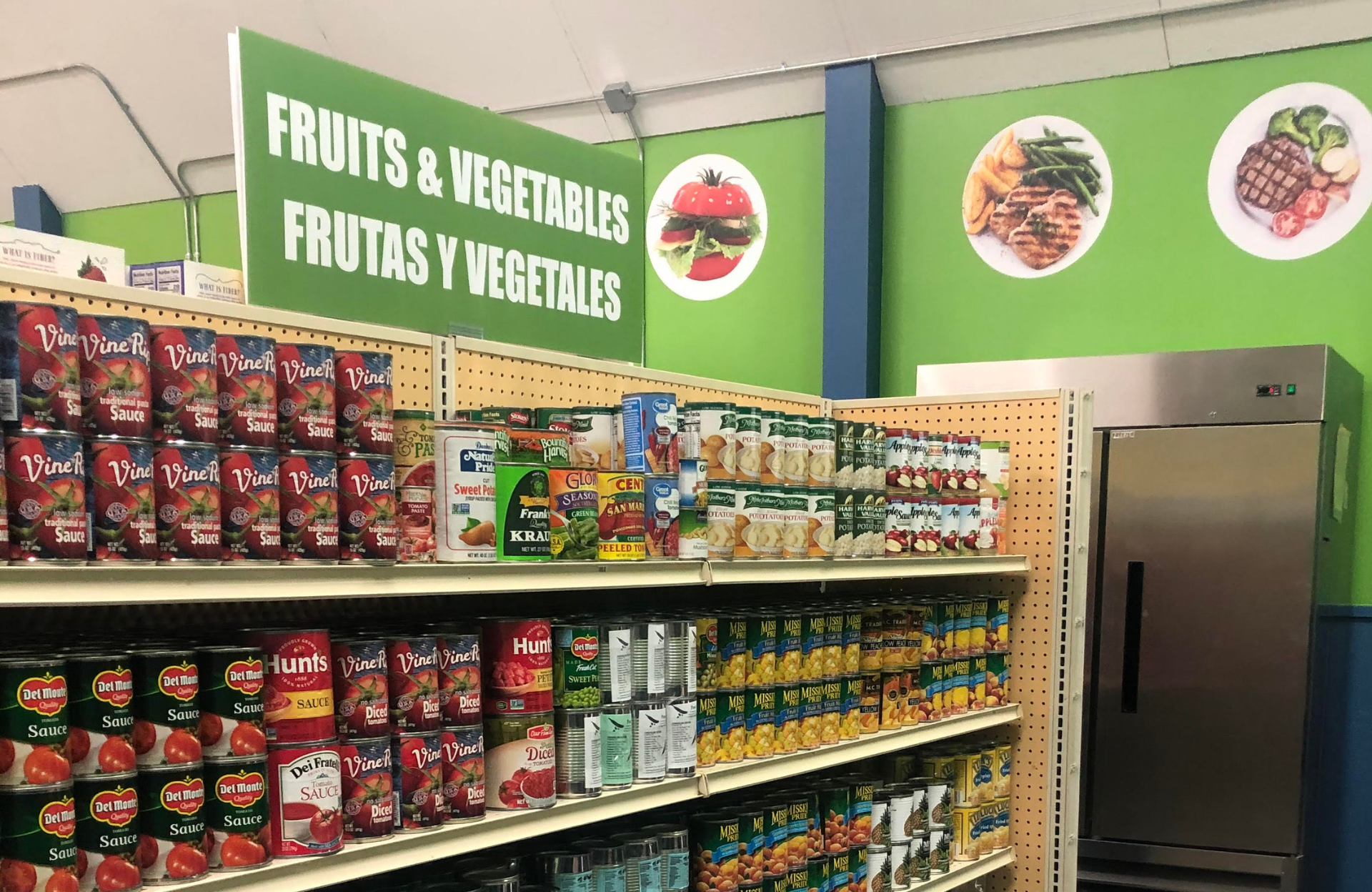
- These visits exposed students to community resources, allowed them to interact with committed community leaders, strengthened their understanding of the local food system, and informed the design of their final project.
The training modules used in the ACS program are provided below.
Training Modules
How To Use This Material
This website provides training modules for the six main topics we covered in the ACS classroom training program: Nutrition, Food Marketing, Health Equity, Research, Program Co-Design, and Designing a Communication Plan.
These modules may be of interest to high school and middle school teachers, counselors, and staff who conduct programs with youth; youth organizations and community groups that serve youth; and researchers conducting community-based participatory research with youth.
Modules
Each module consists of one to four sessions of approximately 60 to 90 minutes each. For each session, we provide a PowerPoint presentation and relevant assignments or activities to enhance participants’ experience. A Trainers’ Guide accompanies each module and includes background on the information presented in the slides, suggestions for facilitating discussions with students, and additional resources and activities.
The modules were created for young people ages 14 to 18, but they are designed to be flexible. They can be adapted for younger or somewhat older participants. They can also be used individually or together, depending on the goals of your program and interests of your students.
Trainers
Facilitating these modules does not require specific training or teaching experience. However, some experience working with adolescents and knowledge of food-related topic areas such as food systems, food insecurity, food marketing and/or food justice is recommended. Successful use of the modules requires trainers to engage their young audience, actively listen, manage and encourage dialogue, and create a safe space for adolescents to feel comfortable sharing their thoughts.
Terms of Use
The Rudd Center owns and retains the copyrights to all Rudd Center Resources that are uploaded to the Rudd Center Website (www.uconnruddcenter.org). Any time you use or arrange for use of a Rudd Center Resource for any approved purpose, credit must be given to the UConn Rudd Center for Food Policy & Health in the following manner: "Source: UConn Rudd Center for Food Policy & Health."
All materials on this page may be used for educational, research, and otherwise noncommercial purposes. Commercial use is strictly prohibited. For more information, please see the Rudd Center's Terms of Use.
Nutrition
Nutrition Module
Good nutrition is critical across the lifespan. Food choices are influenced by many factors, including early food experiences, personal preferences, and cultural beliefs, and many individual choices are largely driven by other factors such as access to healthy and affordable foods.
This four-session interactive training module helps youth participants to build practical knowledge about the importance of good nutrition, understand how to choose healthier food and beverages, utilize critical thinking skills to identify environmental barriers to good nutrition and food security, and increase awareness of the federal food assistance programs and community resources that address food insecurity.
Each session is designed to last approximately 75 minutes. Engaging activities reinforce key concepts.
Session 1: Nutrition through the life course
Describe how healthy eating supports growth, energy, academic performance, and long-term health, including the prevention of chronic diseases across the lifespan.
Session 2: Healthy eating with MyPlate
Identify the five food groups and create balanced meals that reflect recommended portions and nutritional balance.
- Session 2 Presentation
- Handout: MyPlate Sheet
- Assignment 1: Interview a family member or friend about how they choose what to eat
Session 3: The Nutrition Facts label
Learn how to read, interpret, and compare key components of food labels, including serving size, calories, added sugars, and sodium, and use % Daily Value to make healthier food choices.
Session 4: Food access and community resources
Define food insecurity, analyze its causes and impacts, and identify available community food resources and food assistance programs.
Trainers’ Guide for Nutrition Module: Suggestions for organizing the training sessions
Food Marketing
Food Marketing Module
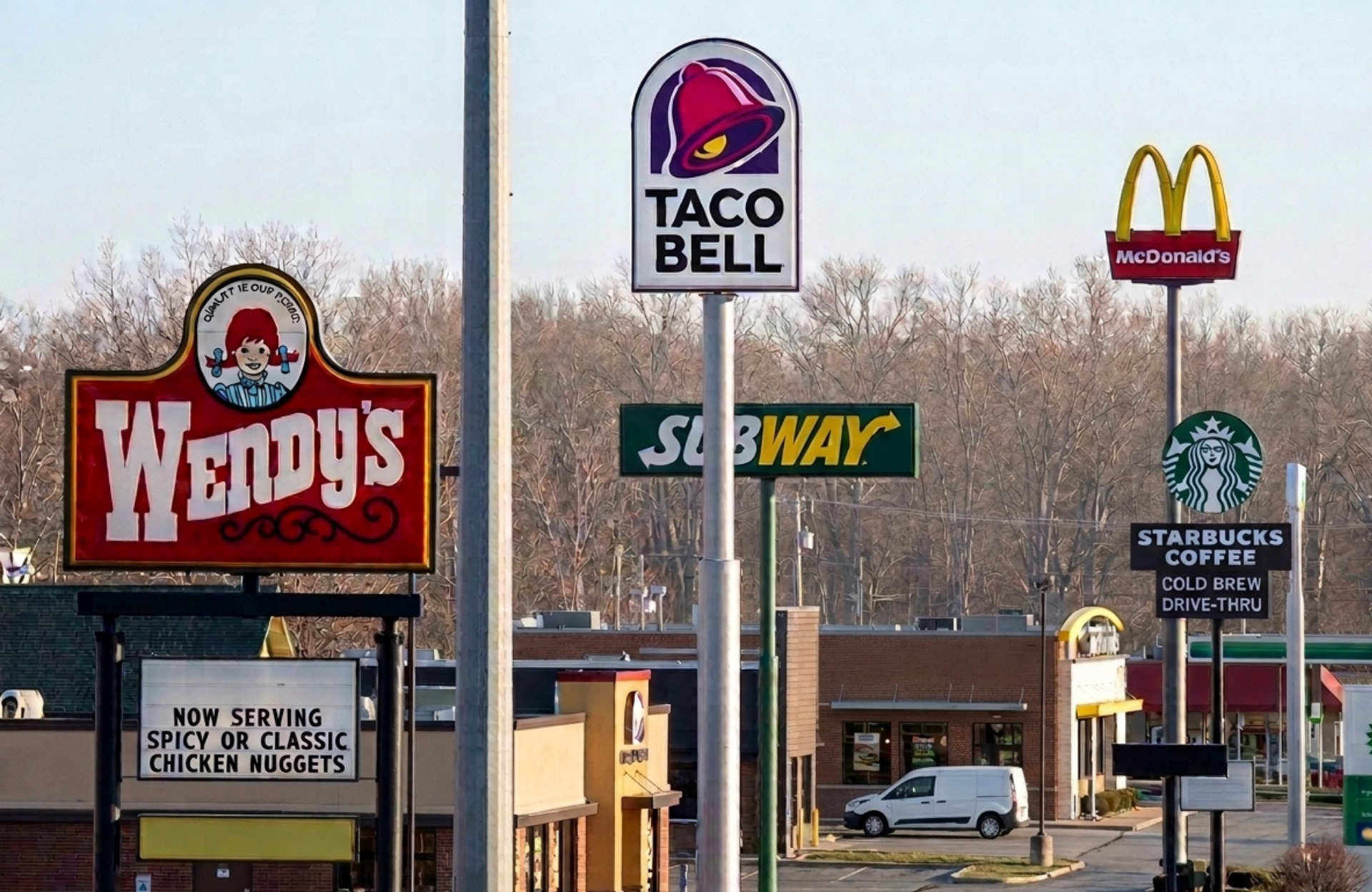
Massive amounts of unhealthy food marketing targets children and adolescents in the media and in their communities. This marketing negatively impacts their eating behaviors and long-term health. Moreover, Black and Hispanic youth encounter more unhealthy food marketing, which contributes to health disparities affecting low-income communities of color.
This 3-session training module will help youth participants recognize how and why companies target them with marketing for unhealthy food and beverages, guide them to question whether this practice is fair, and explore actions they can take to improve food marketing in their community.
Each interactive session is designed to take approximately 75 minutes, with two take-home assignments to examine the food marketing they see on their digital devices and in their communities.
Session 1: What is food marketing?
Recognize the wide range of food marketing they are exposed to in the media, including on digital devices, and in their community.
- Session 1 Presentation
- Handout: Marketing Definitions and Finding Food Marketing
- Assignment 1: Finding Digital Food Marketing
Session 2: How does food marketing affect us?
Analyze the marketing techniques that food companies use to persuade teens to buy food and beverages and understand why these techniques are effective.
- Session 2 Presentation
- Handout: Analyzing Food Marketing
- Handout: Marketing Techniques and Target Audiences
- Assignment 2: Food Marketing in Your Community
Session 3: What food marketing is targeted to me and my community, and what can we do about it?
Discuss why companies invest heavily in marketing unhealthy products to kids and lower-income communities of color, and whether this practice is fair.
Explore actions that individuals (including teens) can take to improve food marketing in their community.
Trainers’ Guide for Food Marketing Module: Suggestions for organizing the training sessions
Health Equity
Health Equity Module
Poverty and social injustice result in health inequities that have a profound negative impact on the physical and mental health of individuals throughout the lifespan. Lack of access to the social determinants of health (including healthy food and nutrition, health care, quality education, and healthy community environments) explains how social injustice negatively affects the health and well-being of people. Solutions to social injustice and related health inequities require interventions across all layers of the social-ecological model so that all people can live in healthy communities where they and their families can have access to the social determinants of health.
This health equity module is designed for high school students to build practical knowledge to understand why social inequities and health inequities are strongly connected. Additionally, students will use critical thinking to discover how they can help identify solutions to address health inequities. The module consists of one PowerPoint presentation with discussion prompts to engage participants. The session is designed to last approximately 60 minutes.
Session 1: Health equality, equity, and justice
Explain what health equality, equity, and justice are; understand why poverty and racism cause poor health; and identify how to improve health equity in the short-, middle-, and long-term.
Trainers’ Guide for Health Equity Module: Suggestions for organizing the training session
Research
Research Module
Social science research shapes evidence-based public health initiatives. In this module, youth participants will explore the core differences between quantitative and qualitative research and will be introduced to how to plan and conduct focus groups. Ethical considerations in conducting research with human subjects are also discussed, including the governing oversight of Institutional Review Boards (IRBs) and Collaborative Institutional Training (CITI). This module will help youth participants understand how research informs policies and programs and how ACS can participate as researchers in utilizing community-based participatory research (CBPR) to address community issues.
This module consists of three sessions with a PowerPoint presentation and accompanying activities. Each session is designed to last approximately 75 minutes. Engaging activities and assignments reinforce key concepts.
Session 1: What is research?
Explain research and recognize its role in evidence-based decision-making.
Describe how social science research informs public health.
Explain differences between qualitative and quantitative research.
- Session 1 Presentation
- Handout: “How you decide what food to eat?” (Focus Group Guide for Moderator)
- Handout: “How you decide what food to eat?” (Survey)
Session 2: Conducting research
Describe ethical considerations in conducting research.
Explain why community-based participatory research is conducted and why it is important for ACS to be involved in community research.
Session 3: Focus groups
Explain focus group research and how it helps researchers understand community experiences and perspectives.
Identify the key components of a focus group and how to plan data collection.
Describe basic guidelines for writing a focus group discussion guide
Trainers’ Guide for Research Module: Suggestions for organizing the training sessions
Program Co-Design
Program Co-Design Module
Many public health programs fail because they are designed without considering the needs and wants of the people that they are supposed to serve and their social determinants of health needs (see Health Equity module in Adolescent Citizen Scientist Training). The design of effective community-engaged equitable programs requires following a systematic technique of consultations with stakeholders, including the people that the program wants to serve and the organizations that need to be involved for the program to succeed. These consultations need to inform decisions on key activities that the program will include and how to implement the activities in a way that the population likes and benefits from them. Finally co-designed programs need to be tested before launching to ensure that they will work once deployed.
This single-session program co-design module is designed for high school students to build practical knowledge to understand why community-engaged co-design is key for program success and the principles and applications on how to go about doing it. The module consists of one interactive session with a PowerPoint presentation linked to a corresponding assignment. It is designed to last approximately 75 minutes.
Session 1: Co-design of community-engaged programs
Describe the importance and process of co-designing research programs.
Trainers’ Guide for Co-design Module: Suggestions for organizing the training session
Designing a Communication Plan
Designing a Communication Plan Module
Any co-design project that results in a program to address community needs will require an effective communication plan to inform community members about the project and disseminate any materials developed.
This single-session module will provide youth participants with the necessary tools to create their own communication plan. Participants will be introduced to public health communication planning using a standardized template, including audience, message, communication channels, and evaluation strategies. They will also analyze an actual public health communication campaign to identify how communication plan components were used to engage audiences and promote behavior change. The session is designed to last approximately 30 minutes.
Session 1: Designing a Communication Plan
Understand the process of developing a strong communication plan.
Brainstorm how communication strategies can best reach your community.
Trainers’ Guide for Communications Module: Suggestions for organizing the training session